How to Know When Your Home Needs New Attic Insulation

Many homeowners assume attic insulation is a “set it and forget it” feature, but in reality, insulation can degrade, shift, or become ineffective over time. In Frederick, where homes experience cold winters and warm summers, outdated or damaged attic insulation can quietly increase energy bills and reduce indoor comfort without obvious warning signs. Knowing when it’s time to replace or upgrade attic insulation can help homeowners avoid unnecessary expenses and maintain a healthier living environment.
Attic insulation plays a vital role in controlling heat flow, protecting the structure of the home, and supporting efficient heating and cooling. When insulation stops performing as it should, the entire home feels the impact. Understanding the warning signs allows homeowners to take action before small problems turn into costly repairs.
Rising Energy Bills Without a Clear Reason
One of the earliest and most common signs that a home needs new attic insulation is a steady increase in energy bills. When insulation loses effectiveness, heated or cooled air escapes through the attic more easily. This forces heating and cooling systems to work harder and run longer to maintain comfortable indoor temperatures.
For homeowners monitoring attic insulation in Frederick, unexplained spikes in winter heating costs or summer cooling expenses often point to insulation issues. If energy usage increases without changes in weather, household size, or HVAC equipment, worn or insufficient attic insulation is often the underlying cause.
Uneven Temperatures Throughout the Home
Homes with failing attic insulation frequently experience uneven temperatures between rooms or floors. Upper levels may feel excessively hot during summer and noticeably colder in winter. This imbalance occurs because heat naturally rises and escapes through the attic when insulation is inadequate.
When insulation performs properly, it helps maintain a consistent indoor temperature throughout the home. If certain rooms are uncomfortable no matter how much the thermostat is adjusted, it may indicate that attic insulation is no longer providing an effective thermal barrier.
Drafts and Cold Spots
Drafts inside a home are another warning sign that attic insulation may need replacement. Cold air entering through the attic can travel down into living spaces, creating noticeable drafts near ceilings, walls, or staircases. These drafts often make rooms feel colder than the thermostat setting suggests.
In Frederick homes, drafts during winter months are commonly associated with insulation gaps, compressed insulation, or material that has shifted over time. Addressing these issues with updated insulation can restore comfort and reduce heat loss.
Insulation Age and Settling
Insulation does not last forever. Many older homes still rely on insulation installed decades ago, which may no longer meet current energy efficiency standards. Over time, insulation materials can settle, compress, or deteriorate, reducing their ability to trap air and slow heat transfer.
Homeowners considering attic insulation Frederick should evaluate the age of their insulation. If it is more than 15 to 20 years old, an upgrade can significantly improve energy efficiency, even if no obvious damage is visible.
Excessive Heat in Summer
During summer months, poorly insulated attics can trap extreme heat, which radiates down into living spaces. This causes indoor temperatures to rise, forcing air conditioning systems to work harder to maintain comfort.
If a home feels hot even when the air conditioner is running consistently, attic insulation may be insufficient. Proper insulation blocks heat from entering the home, keeping indoor spaces cooler and reducing energy consumption during peak summer months.
Ice Dams and Winter Roof Issues
In colder climates like Frederick, ice dams forming along the roofline during winter can be a sign of insulation problems. Ice dams occur when warm air escapes into the attic, melts snow on the roof, and refreezes near the edges.
This process can damage roofing materials, gutters, and insulation itself. Proper attic insulation helps maintain a consistent attic temperature, preventing heat loss that leads to ice dam formation and protecting the home’s structure.
Moisture Problems and Mold Growth
Moisture in the attic is a serious issue that often signals insulation failure. Warm, moist air from inside the home can rise into the attic and condense on cooler surfaces if insulation is inadequate. Over time, this moisture can lead to mold growth, wood rot, and compromised structural integrity.
If homeowners notice musty odors, visible mold, or signs of moisture damage, attic insulation may need replacement. Addressing insulation issues early helps protect indoor air quality and prevents costly repairs.
Increased HVAC Wear and Tear
When attic insulation is no longer effective, heating and cooling systems must compensate for constant heat loss or gain. This added strain causes HVAC equipment to cycle more frequently, increasing wear and tear on components.
For those focused on attic insulation Frederick, upgrading insulation can reduce HVAC workload, extend equipment lifespan, and lower maintenance costs. A properly insulated attic supports efficient system operation and long-term reliability.
Pests and Insulation Damage
Rodents, insects, and other pests often nest in attic insulation, compressing or contaminating it in the process. Damaged insulation loses its ability to regulate temperature and can introduce allergens or odors into the home.
If signs of pest activity are present, insulation should be inspected and potentially replaced. New insulation restores thermal performance and helps maintain a clean, healthy attic environment.
Noise Penetration from Outside
Attic insulation also helps reduce noise from outside sources such as traffic, weather, or neighboring properties. When insulation degrades, sound travels more easily into the home.
If a home seems noisier than before, especially during storms or busy hours, worn attic insulation may be contributing to the problem. Replacing insulation can improve sound absorption and restore a quieter indoor environment.
Home Comfort Has Gradually Declined
Sometimes the change in insulation performance happens slowly, making it harder to notice. Homeowners may gradually become accustomed to higher energy bills or reduced comfort without realizing insulation is the root cause.
Scheduling an attic evaluation can help determine whether insulation still meets the home’s needs. For homeowners researching attic insulation in Frederick, proactive assessment can prevent years of unnecessary energy loss and discomfort.
When Replacement Makes More Sense Than Repair
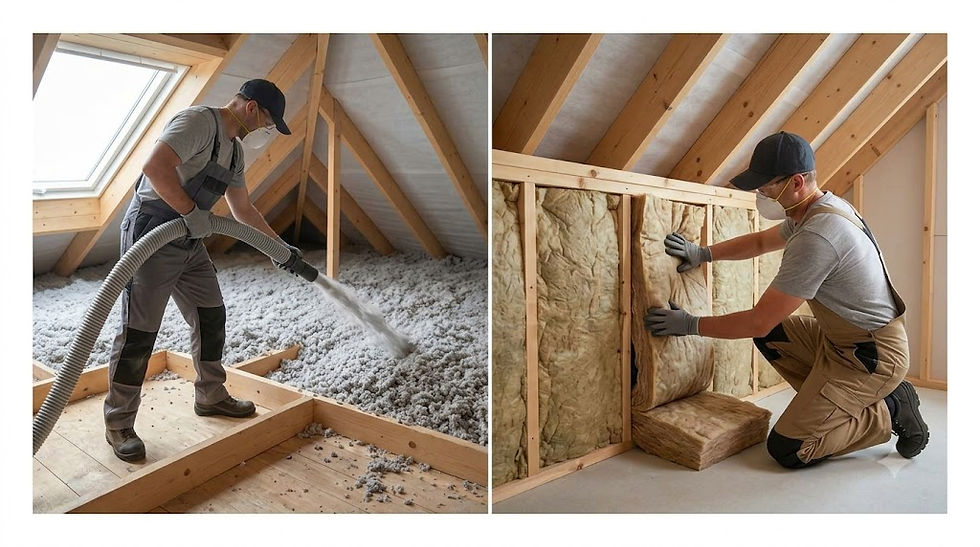
In some cases, adding insulation may not be enough. If existing insulation is heavily damaged, contaminated, or compressed, full replacement provides better results. Modern insulation materials offer higher efficiency, improved moisture resistance, and longer lifespan compared to older options.
Replacing insulation ensures complete coverage, proper thickness, and compliance with current energy standards. This upgrade delivers immediate comfort improvements and long-term savings.
Common Signs Your Home Needs New Attic Insulation
Warning Sign | What It Indicates |
Rising energy bills | Heat loss or gain through attic |
Uneven room temperatures | Inadequate thermal barrier |
Drafts and cold spots | Insulation gaps or settling |
Hot upstairs in summer | Poor heat resistance |
Ice dams in winter | Heat escaping into attic |
Moisture or mold | Condensation from poor insulation |
Noisy interior | Reduced sound absorption |
Old insulation | Lower efficiency by modern standards |
Frequently Asked Questions
How often should attic insulation be replaced?
Most insulation lasts 15–30 years, depending on material and conditions. Older insulation often benefits from replacement.
Can new insulation lower energy bills immediately?
Yes. Many homeowners notice reduced heating and cooling costs within the first few months.
Is attic insulation worth upgrading if it looks fine?
Even insulation that appears intact may be outdated or insufficient for modern efficiency standards.
Does insulation help in both summer and winter?
Yes. Insulation reduces heat loss in winter and blocks heat gain in summer.
Should insulation be professionally installed?
Professional installation ensures proper coverage, correct thickness, and long-term performance.
Conclusion
Recognizing when your home needs new attic insulation can prevent rising energy costs, comfort issues, and structural damage. From uneven temperatures and drafts to moisture problems and aging materials, the warning signs are often present long before serious problems develop.
For homeowners looking to upgrade attic insulation in Frederick, working with EET Insulation, a trusted insulation company in Frederick, ensures expert evaluation, proper installation, and lasting results that improve comfort, efficiency, and home value.


Comments