Top Crawl Space Insulation Best Practices to Save Energy and Reduce Costs

Saving energy at home does not always require expensive upgrades or major renovations. In many homes, especially in Frederick, a significant amount of energy loss happens in places that are rarely seen or considered. One of the most important of these areas is the crawl space. When a crawl space is poorly insulated or improperly sealed, it can quietly increase energy bills, reduce comfort, and strain heating and cooling systems year after year.
Following the right crawl space insulation best practices can dramatically improve home energy performance while keeping long-term costs under control. From controlling moisture to choosing the right insulation approach, every step plays a role in preventing wasted energy. Investing in Crawl Space Insulation in Frederick using proven best practices is one of the smartest ways homeowners can reduce monthly expenses and improve indoor comfort at the same time.
Why Crawl Space Insulation Is Key to Energy Savings
A crawl space sits between the ground and the main living area of the home. Because of its location, it directly influences how much heat enters or escapes the house. In winter, cold air from the crawl space can seep upward, making floors colder and forcing heating systems to work harder. In summer, excess heat and humidity can rise into the home, increasing cooling demands.
When crawl spaces are insulated correctly, they act as a buffer zone that slows down heat movement. This helps maintain stable indoor temperatures and reduces the amount of energy needed to keep the home comfortable. Over time, these energy savings add up, making crawl space insulation a cost-effective improvement rather than just a comfort upgrade.
Best Practice: Start With Moisture Control
One of the most important crawl space insulation best practices is addressing moisture before installing insulation. Moisture problems are common in crawl spaces due to groundwater, humidity, and poor drainage. If moisture is ignored, insulation can become damp, lose effectiveness, and eventually fail.
Installing a vapor barrier over exposed soil is a critical step. This barrier prevents ground moisture from rising into the crawl space air. Sealing foundation cracks and ensuring proper drainage around the home also reduce moisture intrusion. A dry crawl space allows insulation to perform at its best and protects it from long-term damage.
Best Practice: Seal Air Leaks First
Air leakage is a major contributor to energy loss. Small gaps around pipes, wiring, vents, and foundation walls allow outdoor air to enter the crawl space and move into the living areas above. This uncontrolled airflow disrupts indoor temperatures and increases heating and cooling costs.
Before insulation is installed, sealing these air leaks is essential. Proper air sealing ensures that insulation works as intended by keeping conditioned air inside the home. Homes that combine air sealing with crawl space insulation often see faster and more noticeable energy savings.
Best Practice: Choose the Right Insulation Location
Where insulation is installed matters just as much as what type is used. Traditional crawl spaces often have insulation placed between floor joists, while modern approaches focus on insulating crawl space walls.
Wall insulation is commonly used in sealed or encapsulated crawl spaces. This method brings the crawl space into the home’s thermal envelope, helping stabilize temperatures and improve energy efficiency. Floor insulation can still be effective in certain situations, especially when moisture is well controlled.
Choosing the right location depends on crawl space conditions and long-term energy goals.
Best Practice: Use Insulation With Proper R-Value
The R-value measures how well insulation resists heat flow. Using insulation with an appropriate R-value for Frederick’s climate is critical for energy performance. Insufficient R-value allows heat to pass through too easily, while excessive insulation without proper air sealing may not deliver expected savings.
Professional assessment ensures the insulation meets local climate requirements and building standards. Proper R-value selection helps homeowners get the best balance between installation cost and energy savings.
Best Practice: Avoid Compression and Gaps
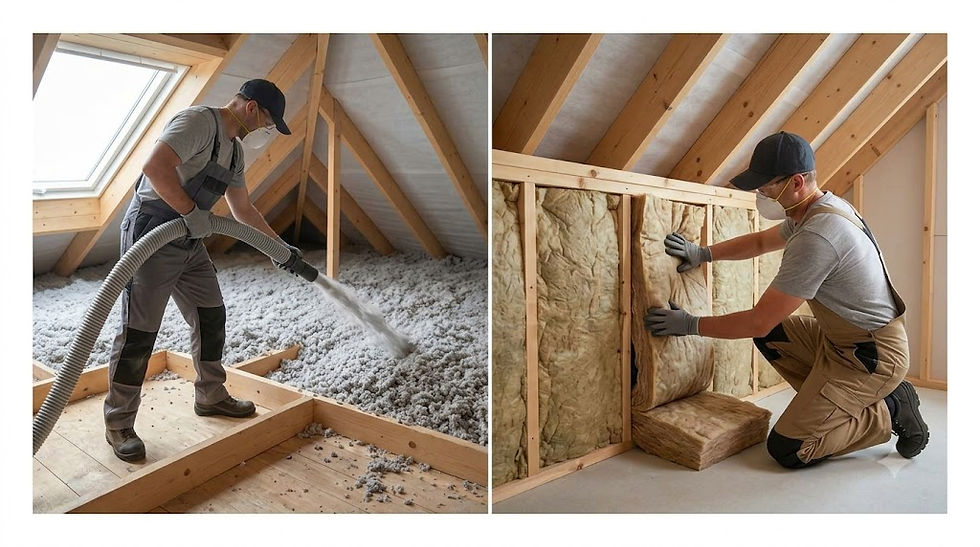
Even high-quality insulation can fail if installed incorrectly. Compression reduces insulation’s ability to trap air, which lowers its thermal resistance. Gaps between insulation sections create pathways for heat loss and air leakage.
Proper installation techniques ensure insulation fits snugly without being compressed. Consistent coverage across walls or floors prevents weak points that compromise energy efficiency. This attention to detail plays a major role in long-term performance and cost savings.
Best Practice: Consider Crawl Space Encapsulation
Encapsulation is one of the most effective crawl space insulation strategies for improving energy efficiency. It involves sealing the crawl space from outside air, installing a vapor barrier, and insulating the walls rather than the floor.
Encapsulated crawl spaces maintain more consistent temperatures and humidity levels. This controlled environment reduces energy loss and protects insulation from moisture damage. While encapsulation may require a higher upfront investment, it often delivers greater energy savings over time.
Best Practice: Protect Insulation From Pests
Pests can damage crawl space insulation by nesting in it or tearing it apart. This damage reduces insulation effectiveness and creates new air leaks.
Using pest-resistant insulation materials and sealing entry points helps protect insulation from rodents and insects. Regular inspections also help identify early signs of pest activity before significant damage occurs. Protecting insulation ensures it continues saving energy and reducing costs.
Best Practice: Maintain Proper Ventilation Strategy
Ventilation plays a role in crawl space energy performance, but it must be managed correctly. Traditional open vents can introduce humid air in summer and cold air in winter, reducing energy efficiency.
Sealed crawl spaces often rely on controlled ventilation or dehumidification to manage moisture without allowing excessive outdoor air inside. Choosing the right ventilation approach supports insulation performance and prevents energy loss.
Crawl Space Insulation Best Practices and Cost Benefits
Best Practice | Energy-Saving Impact | Cost Reduction Benefit |
Moisture Control | Prevents insulation damage | Avoids replacement costs |
Air Sealing | Reduces heat loss | Lowers monthly energy bills |
Proper R-Value | Improves thermal resistance | Maximizes efficiency per dollar |
Wall Insulation | Stabilizes crawl space temps | Reduces HVAC workload |
Encapsulation | Controls humidity and air | Long-term energy savings |
How Best Practices Reduce Heating and Cooling Costs
Heating and cooling systems consume a large portion of household energy. When crawl spaces are poorly insulated, these systems must compensate for constant heat loss or gain. This leads to longer run times, higher energy bills, and increased wear on equipment.
By following crawl space insulation best practices, homeowners reduce the workload on HVAC systems. Stable indoor temperatures allow systems to operate more efficiently, which lowers energy use and extends equipment lifespan. Over time, these savings can be substantial.
Long-Term Financial Benefits of Proper Crawl Space Insulation
While the upfront cost of crawl space insulation may seem significant, the long-term financial benefits often outweigh the investment. Reduced energy bills, fewer HVAC repairs, and improved home durability all contribute to overall savings.
In Frederick, where homes experience both heating and cooling demands, these savings are felt year-round. Proper Crawl Space Insulation in Frederick is not just about comfort; it is a strategic move to lower ongoing household expenses.
Frequently Asked Questions
How soon can I see energy savings after crawl space insulation?
Many homeowners notice reduced energy bills within the first few months after proper insulation and air sealing.
Is crawl space insulation worth it for older homes?
Yes. Older homes often have more air leaks and insulation gaps, making energy improvements more noticeable.
Does insulation alone solve moisture problems?
No. Moisture control must be addressed first to ensure insulation performs correctly.
How long does crawl space insulation last?
With proper installation and maintenance, crawl space insulation can remain effective for decades.
Can insulation really reduce overall home costs?
Yes. Lower energy bills and reduced HVAC wear contribute to long-term cost savings.
Conclusion
Following the right crawl space insulation best practices is one of the most effective ways to save energy and reduce household costs. From moisture control and air sealing to proper insulation placement, each step plays a role in improving home performance. Homeowners who invest in Crawl Space Insulation in Frederick using proven methods benefit from lower energy bills, increased comfort, and long-lasting results.
For reliable and professional solutions, EET Insulation delivers trusted expertise as a leading insulation contractor in Frederick, helping homeowners protect their investment and enjoy a more energy-efficient home for years to come.


Comments