Crawl Space Insulation in Frederick: How to Improve Home Energy Performance

Improving home energy performance starts with addressing the areas that most homeowners rarely think about. One of the most important yet overlooked spaces is the crawl space. In Frederick, where seasonal temperature changes can be significant, an uninsulated or poorly insulated crawl space can lead to high energy bills, uncomfortable floors, and increased strain on heating and cooling systems. Proper crawl space insulation plays a major role in stabilizing indoor temperatures and improving overall energy efficiency.
Many homes lose a surprising amount of energy through the crawl space due to air leaks, moisture intrusion, and insufficient insulation. This energy loss forces HVAC systems to work harder, increasing monthly utility costs and reducing system lifespan. Investing in Crawl Space Insulation in Frederick is one of the most effective ways to enhance home energy performance while creating a more comfortable living environment year-round.
Why Crawl Spaces Affect Home Energy Performance
The crawl space sits directly beneath the living areas of a home, making it a major pathway for heat transfer. During colder months, heat naturally moves from warm areas to cooler ones, allowing warmth from the home to escape through uninsulated floors. In warmer months, heat from the ground and outdoor air can rise into the home, increasing indoor temperatures.
When crawl spaces lack proper insulation, these temperature fluctuations directly impact indoor comfort. Heating and cooling systems must compensate for this energy loss, resulting in longer run times and higher energy consumption. Sealing and insulating the crawl space creates a thermal barrier that reduces heat transfer and helps maintain consistent indoor temperatures throughout the home.
How Crawl Space Insulation Improves Energy Efficiency
Crawl space insulation works by slowing down the movement of heat between the ground, crawl space air, and the living space above. This insulation reduces unwanted heat loss in winter and heat gain in summer, allowing HVAC systems to operate more efficiently.
Proper insulation also helps control air leakage. Small gaps, cracks, and openings in the crawl space allow outside air to enter the home. This uncontrolled airflow introduces temperature changes and increases humidity, both of which negatively impact energy efficiency. Insulation combined with air sealing reduces these issues, leading to noticeable improvements in home performance.
The Role of Moisture Control in Energy Performance
Moisture is one of the biggest threats to energy efficiency in crawl spaces. Damp environments reduce the effectiveness of insulation and can lead to mold growth, wood rot, and poor indoor air quality. Moist air also feels colder in winter and warmer in summer, making the home less comfortable and increasing energy demands.
A properly insulated crawl space includes moisture control measures such as vapor barriers and sealed vents. These components prevent ground moisture from entering the crawl space and protect insulation materials from damage. By keeping the crawl space dry, homeowners ensure that insulation continues to perform efficiently over time.
Common Signs Your Crawl Space Is Hurting Energy Performance
Many homeowners are unaware that their crawl space is affecting energy efficiency until they notice certain warning signs. These indicators often signal the need for professional insulation upgrades.
Cold floors during winter, uneven temperatures between rooms, rising energy bills, and musty odors are common symptoms of crawl space energy loss. In some cases, homeowners may notice increased humidity levels or condensation near floors. Addressing these issues through professional crawl space insulation can significantly improve comfort and reduce energy waste.
Insulation Materials That Improve Energy Performance
Different insulation materials offer varying levels of energy efficiency. Selecting the right option depends on moisture conditions, crawl space design, and long-term energy goals.
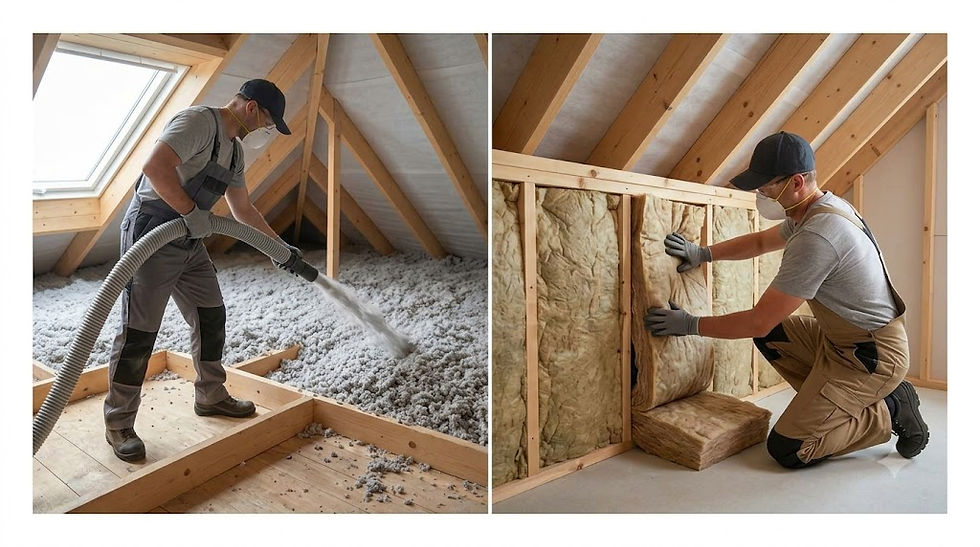
Fiberglass insulation is a common choice for dry crawl spaces. It provides good thermal resistance but requires proper support and moisture protection. Spray foam insulation offers superior air sealing and moisture resistance, making it ideal for crawl spaces with humidity concerns. Rigid foam boards provide durable insulation and consistent thermal performance, especially when installed along crawl space walls.
Each material contributes differently to energy performance, and professional evaluation ensures the right solution is chosen for the home’s specific needs.
Ventilated vs. Encapsulated Crawl Spaces
The design of a crawl space significantly impacts energy efficiency. Traditional ventilated crawl spaces allow outside air to flow freely, which can introduce moisture and temperature fluctuations. While ventilation was once considered beneficial, modern building science shows that sealed and insulated crawl spaces often perform better in terms of energy efficiency.
Encapsulated crawl spaces are sealed from outside air and insulated along the walls rather than the floor. This design creates a controlled environment that maintains stable temperatures and humidity levels. Encapsulation, when done correctly, can dramatically improve home energy performance and indoor comfort.
Impact on Heating and Cooling Systems
Heating and cooling systems rely on stable indoor conditions to operate efficiently. When crawl spaces are poorly insulated, HVAC systems must compensate for energy loss, leading to increased wear and higher operating costs.
Proper crawl space insulation reduces temperature swings and minimizes the workload on HVAC equipment. As a result, systems cycle less frequently, operate more efficiently, and last longer. This not only lowers monthly energy bills but also reduces the likelihood of costly repairs or early system replacement.
Long-Term Energy Savings
While crawl space insulation requires an upfront investment, the long-term energy savings often outweigh the initial cost. Homes with properly insulated crawl spaces typically experience reduced heating and cooling expenses year after year.
In Frederick, where seasonal heating and cooling demands vary, insulation helps maintain stable indoor temperatures without over-reliance on HVAC systems. Over time, these energy savings can add up significantly, making crawl space insulation one of the most cost-effective home energy upgrades available.
Energy Performance Benefits of Crawl Space Insulation
Improvement Area | Effect on Energy Performance | Long-Term Benefit |
Thermal Barrier | Reduces heat loss and gain | Lower energy bills |
Air Sealing | Limits air leakage | Improved indoor comfort |
Moisture Control | Prevents damp insulation | Consistent insulation performance |
HVAC Efficiency | Reduces system workload | Longer equipment lifespan |
Indoor Comfort | Stabilizes temperatures | More comfortable living space |
Installation Process and Energy Optimization
Professional crawl space insulation begins with a detailed inspection. Contractors assess moisture levels, air leaks, insulation gaps, and structural conditions. This evaluation ensures that the insulation plan addresses both energy efficiency and moisture control.
The crawl space is then prepared by sealing cracks, installing vapor barriers, and addressing drainage issues if needed. Insulation is installed carefully to ensure full coverage without compression or gaps. Once completed, the space is inspected again to confirm improved energy performance.
Maintenance for Continued Energy Efficiency
Maintaining crawl space insulation is essential for preserving energy performance. Periodic inspections help identify moisture issues, pest activity, or insulation damage before they affect efficiency.
Keeping gutters clear, ensuring proper drainage, and monitoring humidity levels all support insulation performance. With proper maintenance, crawl space insulation can continue delivering energy savings and comfort for decades.
Frequently Asked Questions
How much energy can crawl space insulation save?
Energy savings vary by home, but many homeowners experience noticeable reductions in heating and cooling costs after insulation upgrades.
Does crawl space insulation work in older homes?
Yes. Older homes often benefit the most because they typically have greater air leakage and insulation gaps.
Is moisture control really necessary for energy efficiency?
Absolutely. Moisture reduces insulation effectiveness and increases energy loss.
Can crawl space insulation improve indoor air quality?
Yes. Sealing and insulating the crawl space helps prevent mold spores, allergens, and pollutants from entering the home.
How long does crawl space insulation last?
With proper installation and maintenance, crawl space insulation can remain effective for 20–30 years or more.
Conclusion
Improving home energy performance starts from the ground up. Proper Crawl Space Insulation in Frederick reduces energy loss, stabilizes indoor temperatures, controls moisture, and protects HVAC systems from unnecessary strain. By addressing crawl space inefficiencies, homeowners can enjoy lower utility bills, improved comfort, and a healthier living environment year-round.
For homeowners seeking reliable solutions, EET Insulation provides professional expertise and long-lasting results as a trusted insulation contractor in Frederick. Investing in crawl space insulation today is a smart step toward a more energy-efficient and comfortable home for the future.


Comments