Spray Foam Insulation vs Traditional Insulation: Which Is Better?

Choosing the right insulation is one of the most important decisions homeowners can make when improving energy efficiency, comfort, and long-term durability. Insulation directly affects heating and cooling performance, indoor air quality, moisture control, and even the lifespan of a home’s structure. As homeowners in Frederick look for better ways to manage rising energy costs and seasonal temperature changes, the debate between spray foam insulation and traditional insulation continues to grow.
Both insulation types aim to slow heat transfer and improve comfort, but the way they perform, age, and protect a home differs significantly. Understanding these differences helps homeowners make informed decisions that align with their budgets, performance goals, and long-term plans.
Understanding Traditional Insulation
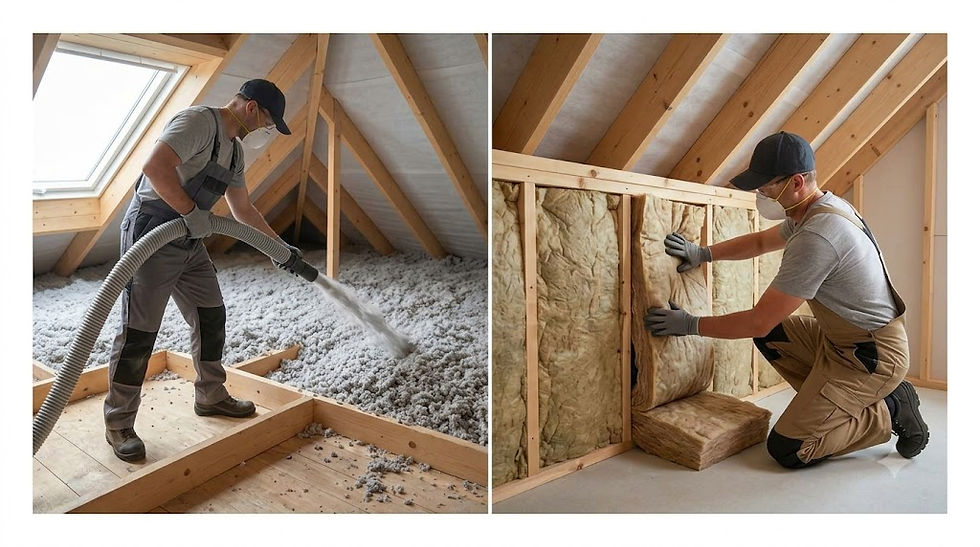
Traditional insulation typically includes materials such as fiberglass batts, blown-in cellulose, and mineral wool. These materials have been used in residential construction for decades and are widely available. They primarily work by trapping air within their fibers, slowing the movement of heat through walls, ceilings, and floors.
Fiberglass insulation is often installed in attics and wall cavities, while cellulose is commonly blown into existing walls or attic spaces. These materials are relatively affordable and quick to install, making them a common choice for homeowners looking for a lower upfront cost. However, traditional insulation does not seal air leaks, which means it relies heavily on proper installation and additional air-sealing measures to perform effectively.
In many older homes, traditional insulation may have settled, shifted, or degraded over time. Gaps and compression reduce effectiveness, allowing air leakage that leads to higher energy bills and uneven indoor temperatures.
What Makes Spray Foam Insulation Different
Spray foam insulation operates differently from traditional materials. Instead of simply slowing heat transfer, it expands on application and bonds directly to surfaces, sealing cracks, gaps, and voids. This expansion creates both an insulation layer and an air barrier in one application.
There are two main types of spray foam insulation: open-cell and closed-cell. Open-cell spray foam is lighter and more flexible, offering effective air sealing and sound reduction. Closed-cell spray foam is denser, provides higher insulation value per inch, and adds structural rigidity along with moisture resistance.
Because spray foam adheres to framing, sheathing, and penetrations, it eliminates many of the hidden air leaks that traditional insulation cannot address. This difference in performance is a key reason spray foam is often considered a premium insulation solution.
Energy Efficiency Comparison
Energy efficiency is one of the primary reasons homeowners consider upgrading insulation. Traditional insulation can reduce heat loss, but air leakage often undermines its performance. Even small gaps around wiring, plumbing, and framing can allow significant amounts of conditioned air to escape.
Spray foam insulation dramatically improves energy efficiency by sealing the building envelope. With fewer air leaks, heating and cooling systems operate more efficiently and cycle less frequently. This results in lower energy consumption and more consistent indoor temperatures throughout the home.
In Frederick, where homes must handle both cold winters and humid summers, this airtight performance can significantly reduce seasonal energy costs while improving overall comfort.
Comfort and Temperature Consistency
One of the most noticeable differences between spray foam and traditional insulation is indoor comfort. Homes insulated with traditional materials often experience drafts, cold floors, and hot upper levels. These comfort issues are usually caused by air leakage rather than insufficient insulation thickness.
Spray foam insulation minimizes these problems by maintaining consistent indoor temperatures. By sealing gaps and cracks, it prevents outside air from entering and indoor air from escaping. This creates a more stable environment, reducing temperature swings and eliminating uncomfortable drafts.
Homeowners often report that rooms previously difficult to heat or cool become noticeably more comfortable after upgrading to spray foam insulation.
Moisture Control and Mold Prevention
Moisture management is critical for protecting a home’s structure and indoor air quality. Traditional insulation materials can absorb moisture or allow humid air to pass through, creating conditions favorable for mold growth and wood rot.
Spray foam insulation offers superior moisture control. Closed-cell spray foam, in particular, resists water absorption and limits vapor movement. This makes it highly effective in areas such as basements, crawl spaces, and attics where moisture problems are common.
By reducing moisture intrusion, spray foam insulation helps protect framing, drywall, and other structural components, extending the life of the home and reducing the risk of costly repairs.
Indoor Air Quality Differences
Indoor air quality is closely linked to insulation performance. Air leaks allow dust, pollen, pollutants, and allergens to enter the home. Traditional insulation alone does little to stop this infiltration.
Spray foam insulation acts as an air barrier, reducing the entry of outdoor contaminants. This can lead to cleaner indoor air and fewer respiratory irritants. Homes with spray foam insulation often experience reduced dust accumulation and improved overall air quality, which is especially beneficial for individuals with allergies or asthma.
Durability and Long-Term Performance
Traditional insulation materials can degrade over time. Fiberglass batts may compress or shift, while blown-in cellulose can settle, leaving uninsulated gaps. These changes reduce effectiveness and may require additional insulation in the future.
Spray foam insulation maintains its shape and performance for decades. Once cured, it does not settle, sag, or deteriorate under normal conditions. This long-term durability makes spray foam a one-time investment for many homeowners.
The consistent performance of spray foam also supports HVAC system longevity. With less air leakage and more stable temperatures, heating and cooling equipment experiences less strain, reducing maintenance needs and extending system lifespan.
Installation Process and Skill Requirements
Installing traditional insulation is generally straightforward and less technical. However, improper installation can significantly reduce performance. Gaps, compression, or missing insulation are common issues in poorly installed traditional systems.
Spray foam insulation requires specialized equipment, training, and safety procedures. Proper application is critical to ensure correct expansion, adhesion, and curing. This makes contractor experience especially important. While installation is more complex, the result is a higher-performing insulation system when done correctly.
Homeowners should always work with professionals experienced in spray foam applications to ensure optimal results.
Cost Considerations and Value Over Time
Traditional insulation typically has a lower upfront cost, making it appealing for budget-conscious homeowners. However, lower initial cost does not always mean better value. Reduced efficiency, higher energy bills, and potential replacement costs can add up over time.
Spray foam insulation has a higher initial investment, but it often delivers long-term savings through reduced energy consumption, fewer repairs, and increased home durability. When evaluated over the lifespan of the home, spray foam insulation frequently provides a stronger return on investment.
For many homeowners, the decision comes down to whether they prioritize short-term savings or long-term performance and efficiency.
Comparison Table: Spray Foam vs Traditional Insulation
Feature | Spray Foam Insulation | Traditional Insulation |
Air Sealing | Excellent | Limited |
Energy Efficiency | High | Moderate |
Moisture Resistance | Strong | Weak to Moderate |
Longevity | 30+ years | 10–20 years |
Indoor Comfort | Very Consistent | Variable |
Maintenance Needs | Low | Moderate |
Environmental Impact
Energy efficiency plays a major role in environmental responsibility. Homes that consume less energy produce fewer emissions over time. Spray foam insulation’s ability to reduce energy usage makes it an environmentally beneficial choice, despite its higher upfront resource use during installation.
Traditional insulation contributes to energy savings but often falls short due to air leakage. Over time, the increased energy demand can outweigh the initial environmental benefits.
For homeowners in Frederick who are focused on sustainability, insulation upgrades can be a meaningful step toward reducing their carbon footprint.
Which Insulation Is Better for Your Home?
The best insulation choice depends on several factors, including budget, home design, performance expectations, and long-term plans. Traditional insulation may be suitable for homeowners seeking a lower upfront cost or for specific applications where air sealing is less critical.
Spray foam insulation is often the better choice for homeowners prioritizing energy efficiency, comfort, moisture control, and long-term value. Its superior performance makes it particularly effective for attics, crawl spaces, and whole-home insulation upgrades.
A professional evaluation helps determine which option aligns best with the home’s needs and the homeowner’s goals.
Frequently Asked Questions
1. Is spray foam insulation worth the higher cost?
For many homeowners, yes. The long-term energy savings, comfort improvements, and durability often outweigh the initial investment.
2. Can spray foam insulation be added to existing homes?
Yes. Spray foam can be installed in many existing homes, particularly in attics, crawl spaces, and during renovations.
3. Does traditional insulation still work?
Traditional insulation can still be effective when installed correctly, but it does not provide air sealing or moisture resistance like spray foam.
4. Which insulation lasts longer?
Spray foam insulation typically lasts significantly longer than traditional insulation materials without losing performance.
5. Does insulation choice affect home resale value?
Yes. Energy-efficient homes with high-performance insulation are often more attractive to buyers and may command higher resale values.
Conclusion
When comparing spray foam insulation vs traditional insulation, the differences in performance, durability, and energy efficiency are clear. Traditional insulation offers affordability and familiarity, while spray foam insulation delivers superior air sealing, moisture control, and long-term value. For homeowners in Frederick, choosing the right insulation can lead to improved comfort, lower energy bills, and a healthier indoor environment.
For those seeking expert guidance and professional installation, EET Insulation provides reliable spray foam insulation solutions designed to protect homes, enhance efficiency, and deliver lasting results.


Comments