Why Attic Insulation Is Essential for Energy-Efficient Homes

Energy efficiency has become a top priority for homeowners who want to reduce monthly utility bills, improve indoor comfort, and create a more sustainable living environment. In Frederick, where seasonal temperature changes can be significant, proper attic insulation plays a critical role in maintaining a stable indoor climate throughout the year. Many homeowners underestimate how much energy is lost through an under-insulated attic, yet it is one of the most important areas of a home to address.
When heat escapes during winter or enters during summer, HVAC systems are forced to work harder to compensate. Over time, this leads to higher energy costs, unnecessary wear on equipment, and uneven temperatures throughout the home. Investing in attic insulation Frederick homeowners can rely on is one of the most effective ways to improve energy efficiency while enhancing long-term comfort and home value.
Understanding the Role of the Attic in Home Energy Efficiency
The attic acts as a barrier between the living space and the outdoor environment. Without proper insulation, this barrier becomes weak, allowing heat transfer that disrupts indoor temperatures. During cold months, warm air naturally rises and escapes through the attic if the insulation is inadequate. In warmer months, heat from the roof radiates downward, raising indoor temperatures and increasing cooling demands.
Homes with insufficient insulation often experience drafts, hot or cold spots, and fluctuating temperatures from room to room. Over time, these issues not only reduce comfort but also increase energy consumption. Proper attic insulation creates a thermal envelope that slows heat transfer, helping the home maintain consistent temperatures with less energy use.
How Attic Insulation Reduces Energy Costs
One of the most immediate benefits of attic insulation is reduced energy bills. When insulation is properly installed, it minimizes the amount of heat escaping or entering the home. This allows heating and cooling systems to operate more efficiently and for shorter cycles.
Homeowners who invest in attic insulation Frederick solutions often notice a measurable drop in utility costs within the first year. Insulation reduces strain on HVAC systems, which leads to fewer repairs and extends the lifespan of expensive equipment. Over time, the savings generated by lower energy consumption can outweigh the initial cost of insulation installation.
Improving Indoor Comfort Year-Round
Comfort is about more than just temperature. Proper attic insulation helps maintain balanced humidity levels and reduces drafts, creating a more comfortable living environment throughout the home. Rooms stay warmer in winter and cooler in summer, eliminating the need for constant thermostat adjustments.
In homes without adequate insulation, upper floors often become uncomfortably hot during summer months. This uneven temperature distribution forces occupants to rely heavily on air conditioning. With effective insulation, indoor temperatures remain more consistent, improving comfort and reducing energy usage at the same time.
Protecting HVAC Systems from Overuse
Heating and cooling systems are designed to operate within specific ranges. When attic insulation is lacking, HVAC systems must work harder and run longer to maintain desired temperatures. This constant strain increases wear and tear on components such as compressors, motors, and fans.
By installing attic insulation Frederick homeowners can reduce the workload placed on their HVAC systems. This not only improves system efficiency but also lowers the likelihood of breakdowns and costly repairs. Over time, insulation helps protect one of the most expensive systems in the home.
Enhancing Indoor Air Quality
Attic insulation also plays a role in indoor air quality. Poorly insulated attics can allow outdoor pollutants, dust, and allergens to enter the home through small gaps and cracks. These particles circulate through the air, affecting respiratory health and overall comfort.
Quality insulation helps seal these gaps, limiting the infiltration of airborne contaminants. A well-insulated attic supports cleaner indoor air, which is especially important for households with children, elderly residents, or individuals with allergies or asthma.
Reducing Moisture and Preventing Mold
Moisture buildup is a common problem in homes with inadequate attic insulation. When warm, moist air rises and meets cold surfaces, condensation can form. Over time, this moisture creates ideal conditions for mold growth and wood rot.
Proper attic insulation helps regulate temperature differences and reduces condensation risk. By keeping surfaces warmer during colder months, insulation prevents moisture from accumulating. This protection preserves structural integrity and promotes a healthier indoor environment.
Increasing Home Value and Market Appeal
Energy efficiency is a major selling point in today’s housing market. Buyers are increasingly looking for homes with lower utility costs and modern energy-saving features. A well-insulated attic signals that the home has been properly maintained and upgraded for efficiency.
Homes with effective insulation often receive higher appraisals and attract more interest from buyers. Installing attic insulation Frederick homeowners trust can be seen as an investment that increases both comfort and resale value.
Environmental Benefits of Attic Insulation
Reducing energy consumption does more than save money. It also lowers a home’s carbon footprint by decreasing reliance on fossil fuels and power plants. Efficient insulation reduces greenhouse gas emissions by allowing homes to use less energy for heating and cooling.
Homeowners who prioritize insulation contribute to broader environmental sustainability efforts while enjoying the personal benefits of lower bills and improved comfort.
Types of Attic Insulation Commonly Used
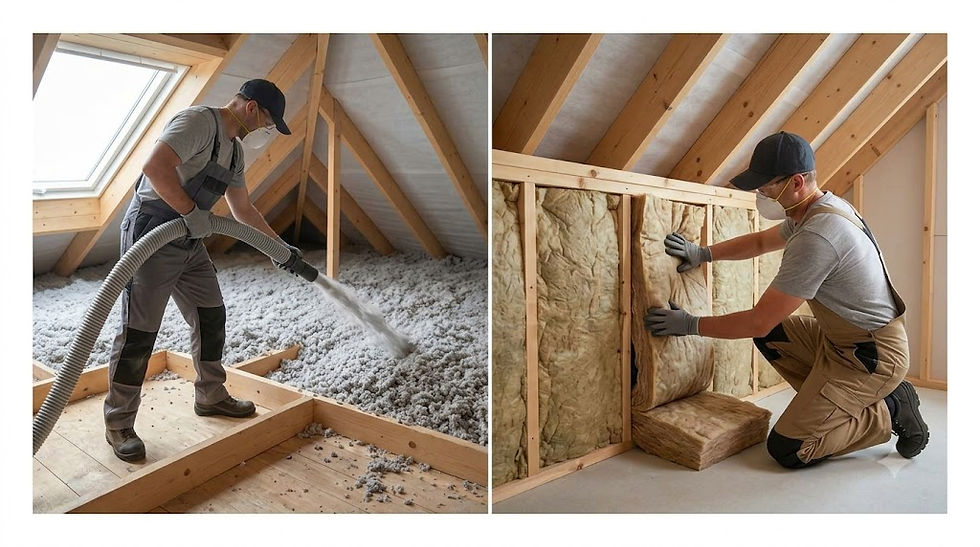
Several insulation types are commonly used in residential attics, each with unique benefits. Fiberglass insulation is popular due to its affordability and effectiveness. Cellulose insulation, made from recycled materials, offers strong thermal performance and environmental benefits. Spray foam insulation provides superior air sealing and moisture resistance but often comes at a higher initial cost.
Choosing the right insulation depends on factors such as attic layout, climate, and budget. Professional assessment ensures the most effective solution is selected for long-term performance.
Signs Your Home Needs Attic Insulation
Many homeowners are unaware that their attic insulation is inadequate. Common signs include high energy bills, uneven indoor temperatures, cold floors in winter, or excessively hot rooms in summer. Ice dams on the roof during winter can also indicate heat loss through the attic.
If these issues are present, upgrading attic insulation can significantly improve overall home efficiency and comfort.
Long-Term Cost Savings
While attic insulation requires an upfront investment, the long-term savings are substantial. Reduced energy bills, fewer HVAC repairs, and extended equipment lifespan all contribute to a strong return on investment.
Homeowners who choose attic insulation Frederick professionals often find that insulation pays for itself over time through consistent energy savings.
Impact of Attic Insulation on Home Performance
Home Aspect | Without Proper Insulation | With Proper Attic Insulation |
Energy Bills | High and unpredictable | Lower and more consistent |
Indoor Comfort | Uneven temperatures | Stable year-round comfort |
HVAC Lifespan | Shortened due to overuse | Extended with reduced strain |
Moisture Control | Higher risk of condensation | Reduced moisture issues |
Home Value | Standard market appeal | Increased resale value |
Frequently Asked Questions
How much energy can attic insulation save?
Many homeowners see energy savings of 15% to 30%, depending on the existing insulation and home size.
Is attic insulation necessary in mild climates?
Yes. Even in moderate climates, insulation reduces heat transfer and improves overall energy efficiency.
How long does attic insulation last?
Most insulation materials last 20 to 30 years when properly installed and maintained.
Can attic insulation help with noise reduction?
Yes. Insulation also absorbs sound, reducing noise from outside and between floors.
When is the best time to install attic insulation?
Attic insulation can be installed year-round, but many homeowners prefer spring or fall for milder conditions.
Conclusion
Attic insulation is one of the most important upgrades homeowners can make to improve energy efficiency, comfort, and long-term savings. From reducing energy bills and protecting HVAC systems to improving indoor air quality and home value, the benefits are significant and lasting. For homeowners in Frederick, investing in attic insulation solutions ensures a more comfortable, efficient, and sustainable home.
Working with a trusted insulation company in Frederick, like EET Insulation, ensures professional installation, quality materials, and results that homeowners can rely on for years to come.


Comments