Does My Attic Have Enough Insulation?

Attic insulation is a critical factor in maintaining a home's energy efficiency, comfort, and long-term durability. Knowing whether your attic has enough insulation can significantly reduce heating and cooling costs while preventing moisture damage and drafts. Insulation in attic spaces plays a key role in keeping indoor temperatures consistent and protecting the home’s structural integrity. Professional evaluation ensures that insulation attic insulation meets the required R-values for optimal performance.
Homeowners often work with a certified attic insulation company or contractor. These professionals can assess insulation depth, identify gaps, and recommend the most effective materials and installation techniques. Proper evaluation at this stage ensures energy efficiency, safety, and long-term cost savings.
What Are the Common Signs of Insufficient Attic Insulation?
Several indicators can suggest that your attic insulation is inadequate. High energy bills, fluctuating indoor temperatures, cold spots in winter, and hot rooms in summer are common warning signs. Ice dams forming on the roof or drafts near vents can also indicate poor insulation. Additionally, visible gaps or compressed insulation in attic spaces are clear signals that an upgrade may be needed.
Homeowners can review Types Of Attic Insulation Materials to understand which options best address specific attic configurations and energy efficiency requirements. Different materials have varying R-values, air sealing properties, and durability.
How Does Attic Insulation Affect Energy Efficiency?
Proper insulation attic insulation reduces heat transfer between the interior and exterior, which improves HVAC efficiency and minimizes energy consumption. In winter, effective insulation keeps warm air inside, while in summer, it limits heat infiltration. Insufficient insulation can force HVAC systems to overwork, increasing energy costs and wear on equipment.
Reviewing Pros & Cons Of Attic Insulations helps homeowners understand which insulation types provide the most value, longevity, and performance for their home. This knowledge allows for informed choices about upgrades and material selection.
How Much Attic Insulation Do I Really Need?
The amount of attic insulation required depends on attic size, insulation type, and regional climate standards. Recommended R-values typically range from R-38 to R-60 in many areas, though local codes and energy efficiency goals can adjust these numbers. Accurate calculations prevent over-insulating, which wastes money, or under-insulating, which reduces energy savings.
For precise guidance, How Much Attic Insulation Do I Need? provides detailed recommendations for insulation depth and material density to optimize energy performance and comfort.
Comparing Types of Attic Insulation
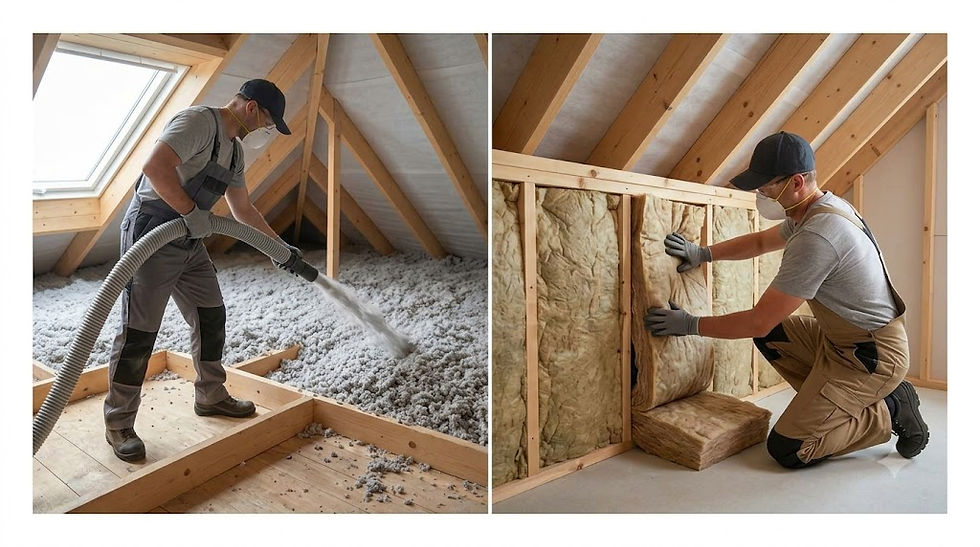
Attic insulation comes in various forms, including fiberglass batts, blown-in cellulose, spray foam, and mineral wool. Fiberglass batts are cost-effective and easy to install but may leave gaps if not properly placed. Blown-in cellulose efficiently fills irregular spaces, while spray foam offers high R-values and excellent air sealing at a higher cost. Mineral wool provides fire resistance, soundproofing, and durability.
Consulting Blown-in Insulation vs. Batt Insulation: Pros and Cons helps homeowners weigh the benefits of each type, including energy efficiency, installation requirements, and long-term performance.
Cost Considerations for Attic Insulation
Attic insulation installation and replacement costs vary depending on material type, attic size, and installation complexity. Insufficient insulation often results in higher energy bills, while proper insulation provides long-term savings. Homeowners should evaluate both the upfront investment and long-term return on energy efficiency.
What is the Costs of Attic Insulation in Maryland? offers insights into regional pricing, labor rates, and factors that affect total project expenses, helping homeowners plan budgets accurately.
Insulation Material | Recommended Depth (inches) | R-Value Range | Notes |
Fiberglass Batt | 12–16 | R-38–R-49 | Affordable, DIY-friendly |
Blown-In Cellulose | 12–15 | R-38–R-49 | Fills gaps effectively |
Spray Foam | 6–10 | R-60+ | Air sealing, professional installation required |
Mineral Wool | 10–14 | R-38–R-49 | Fire-resistant, durable |
Maintenance and Lifespan of Attic Insulation
Regular inspections are necessary to maintain the effectiveness of insulation in attic spaces. Over time, insulation can settle, compress, or become contaminated by moisture or pests. Periodic professional assessments ensure that insulation continues to meet energy efficiency and safety standards.
Homeowners can review When Does Attic Insulation Need To Be Replaced? to identify signs of aging insulation and plan timely upgrades.
Long-Term Benefits of Proper Attic Insulation
Adequate attic insulation provides numerous advantages, including reduced heating and cooling expenses, consistent indoor temperatures, noise reduction, and improved indoor air quality. Professional installation and maintenance extend the lifespan of insulation and enhance home comfort.
For guidance on materials and installation considerations, homeowners may consult Types Of Attic Insulation Materials and Pros & Cons Of Attic Insulations for an in-depth understanding of benefits and limitations.
Conclusion
Knowing whether your attic has enough insulation is crucial for comfort, energy efficiency, and home protection. Evaluating current insulation levels, choosing appropriate materials, and partnering with a certified insulation contractor in Frederick, MD ensures optimal performance. Homeowners can rely on EET Insulation for professional attic insulation services, expert guidance, and high-quality installation to maximize energy savings and long-term comfort.
FAQs
How can I tell if my attic insulation is sufficient?
Check insulation depth, look for gaps, and monitor energy bills.
What is the best type of attic insulation?
The choice depends on attic layout, climate, and budget; professional consultation is recommended.
How much attic insulation do I need?
Recommended R-values range from R-38 to R-60 depending on your region and home type.
Do I need to remove old insulation before upgrading?
Removal may be necessary if insulation is damaged, compressed, or contaminated.
Can attic insulation improve energy efficiency?
Yes, proper insulation reduces heat transfer and lowers energy costs.


Comments