What Is Blown-In Insulation and How Does It Work?

Home insulation plays a major role in how comfortable and energy-efficient a house feels throughout the year. In a place like Frederick, where seasonal temperature changes can be significant, homeowners often look for smarter ways to reduce energy loss and improve indoor comfort without major renovations. One of the most effective solutions available today is blown in insulation frederick, a method widely used in both new and older homes to enhance thermal performance quickly and efficiently.
Blown-in insulation is valued because of its ability to fill small gaps, hard-to-reach spaces, and irregular cavities where traditional insulation materials may not perform as well. It is commonly used in attics, wall cavities, and floor spaces, helping create a continuous thermal barrier that reduces heat transfer. Understanding how this insulation works and why it is so effective can help homeowners make better decisions about improving their property’s energy efficiency.
Understanding What Blown-In Insulation Actually Is
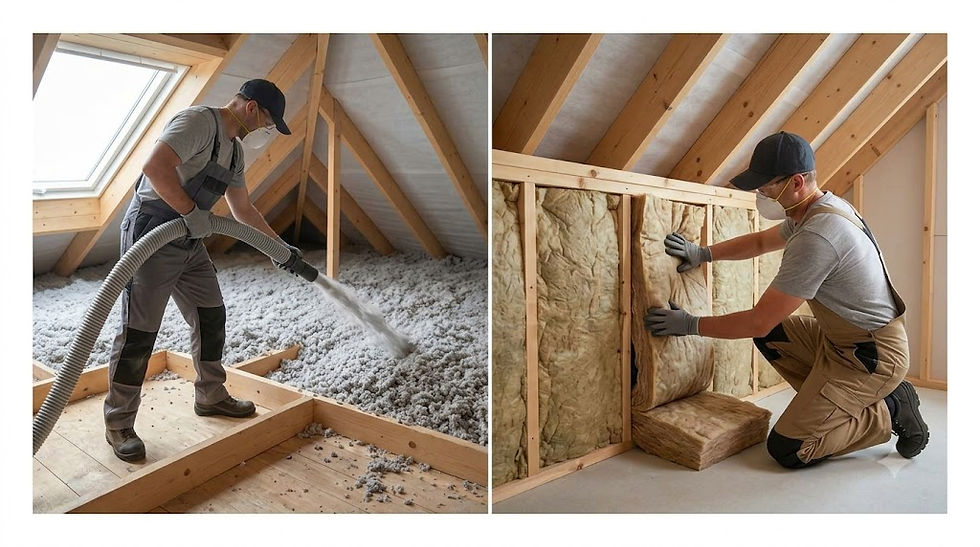
Blown-in insulation is a loose-fill insulation material that is installed using specialized equipment that “blows” the material into targeted areas of a home. Unlike fiberglass batts or rigid foam boards, this insulation is not cut or fitted into place. Instead, it is distributed evenly across a space, allowing it to conform naturally to the shape of the structure.
The most commonly used materials for blown-in insulation include cellulose, fiberglass, and occasionally mineral wool. Cellulose is typically made from recycled paper products treated for fire resistance, while fiberglass consists of fine glass fibers designed to trap air and slow heat transfer. Each material offers strong thermal resistance and is selected based on the home’s structure, budget, and insulation needs.
In many homes in Frederick, professionals recommend blown in insulation frederick because of its ability to improve energy efficiency without requiring extensive demolition or reconstruction.
How Blown-In Insulation Works
The science behind blown-in insulation is simple but highly effective. It works by trapping air within small pockets formed by the loose fibers of the material. Air is a poor conductor of heat, which means it slows the movement of heat from warm to cold areas. This helps maintain stable indoor temperatures regardless of outdoor conditions.
In winter, blown-in insulation keeps warm air inside the home from escaping through the attic or walls. In summer, it helps prevent hot outdoor air from entering living spaces. This dual performance makes it a year-round energy-saving solution.
The installation process begins by placing the insulation material into a machine called a blower. This machine breaks down the material and pushes it through a long hose into the desired space. The technician carefully controls the density and coverage to ensure even distribution. This method allows the insulation to reach areas that would otherwise be difficult or impossible to insulate properly.
Because of its flexibility and coverage ability, blown in insulation frederick is often considered one of the most efficient insulation methods for improving older homes.
Key Areas Where Blown-In Insulation Is Used
Blown-in insulation is most commonly used in attic spaces, where heat loss is often the highest. Since warm air naturally rises, poorly insulated attics can significantly impact a home’s energy efficiency. Filling this space with blown-in material helps create a strong thermal barrier that reduces energy waste.
It is also widely used in wall cavities, especially in older homes where insulation may be missing or insufficient. Small holes are drilled into the walls, and the insulation is blown in until the cavity is fully filled. Once completed, the holes are sealed, leaving the structure intact with improved thermal protection.
Floor cavities, crawl spaces, and hard-to-reach structural gaps can also benefit from this insulation method. Its ability to conform to irregular spaces makes it a preferred choice for comprehensive energy upgrades.
Benefits of Blown-In Insulation for Homeowners
One of the most important benefits of blown-in insulation is improved energy efficiency. By reducing air leakage and heat transfer, homeowners can experience noticeable reductions in heating and cooling costs. Over time, these savings can significantly offset the installation cost.
Another major benefit is improved indoor comfort. Homes with proper insulation maintain more consistent temperatures, eliminating cold spots in winter and overheating in summer. This creates a more stable and comfortable living environment throughout the year.
Blown-in insulation also contributes to noise reduction. The dense material helps absorb sound, making it easier to reduce noise from outside sources or between rooms.
In addition, this insulation method is relatively quick to install compared to other options. Many projects can be completed in just a few hours, depending on the size of the home. This makes it an attractive solution for homeowners looking for fast improvements without major disruption.
For homeowners considering blown in insulation frederick, these advantages make it one of the most practical energy-saving upgrades available today.
Energy Efficiency and Cost Savings
Energy efficiency is one of the strongest reasons homeowners invest in insulation upgrades. A poorly insulated home forces heating and cooling systems to work harder, leading to increased energy consumption and higher utility bills.
Blown-in insulation helps reduce this strain by improving the home’s thermal envelope. Once installed, it minimizes the amount of air escaping or entering through walls and ceilings. This allows HVAC systems to operate more efficiently and maintain desired temperatures with less effort.
Over time, this reduction in energy usage translates into measurable cost savings. Many homeowners notice lower monthly bills shortly after installation, especially during peak heating or cooling seasons.
In regions like Frederick, where temperatures can fluctuate significantly, upgrading to blown in insulation frederick can have a noticeable long-term financial impact.
Installation Process Explained
The installation process begins with an inspection of the home to identify areas that require insulation. Technicians assess existing insulation levels, check for air leaks, and determine the most effective coverage strategy.
Once the plan is finalized, small access points may be created in walls or attic spaces. A hose connected to a blower machine is then used to distribute the insulation evenly throughout the targeted areas. The technician carefully monitors density to ensure consistent coverage without overpacking or leaving gaps.
After installation, the access points are sealed, and the area is cleaned. The result is a fully insulated space that improves energy efficiency without altering the structure of the home.
Because the process is minimally invasive, blown in insulation frederick is often preferred for retrofitting older homes that were not originally built with modern insulation standards.
Blown-In Insulation vs Traditional Insulation
Feature | Blown-In Insulation | Traditional Batt Insulation |
Coverage | Fills gaps and irregular spaces | Limited to flat surfaces |
Installation Time | Fast and efficient | More time-consuming |
Energy Efficiency | High due to better air sealing | Moderate |
Application Areas | Attics, walls, crawl spaces | Mostly open areas |
Flexibility | Highly adaptable | Rigid and fixed |
This comparison highlights why blown-in insulation has become a preferred choice for many homeowners looking to upgrade their homes efficiently.
Common Signs Your Home Needs Insulation Upgrade
Homeowners often realize their insulation is insufficient when they experience uneven indoor temperatures or rising energy bills. Drafty rooms, especially near ceilings or exterior walls, are also strong indicators of insulation problems.
Another sign is frequent HVAC cycling. If heating or cooling systems are running constantly but struggling to maintain temperature, poor insulation may be the cause. In such cases, upgrading to blown in insulation frederick can help restore efficiency and comfort.
Older homes are especially prone to insulation issues, as building standards have evolved significantly over time. Many properties built decades ago lack proper thermal barriers, making insulation upgrades essential for energy efficiency.
Environmental Benefits of Blown-In Insulation
Blown-in insulation is not only beneficial for homeowners but also for the environment. Many materials used in this insulation method, such as cellulose, are made from recycled products, reducing waste and promoting sustainability.
By improving energy efficiency, insulation also reduces greenhouse gas emissions associated with heating and cooling systems. Lower energy consumption means less demand on power plants and a smaller environmental footprint.
This makes blown-in insulation a responsible choice for homeowners who want to improve comfort while supporting environmental conservation efforts.
FAQs About Blown-In Insulation
1. How long does blown-in insulation last? Blown-in insulation can last several decades if installed properly and protected from moisture or damage.
2. Can blown-in insulation be added over existing insulation? Yes, it is often used to top up existing insulation in attics to improve energy efficiency.
3. Is blown-in insulation safe for homes? Yes, modern materials are treated for fire resistance and are safe when installed by professionals.
4. How quickly can it be installed? Most residential installations can be completed within a few hours depending on home size.
5. Does it really reduce energy bills? Yes, improved insulation reduces HVAC workload, leading to noticeable energy savings over time.
Conclusion
Blown-in insulation is one of the most effective and efficient ways to improve a home’s comfort, energy performance, and long-term value. By sealing gaps, improving thermal resistance, and reducing HVAC strain, it offers homeowners in Frederick a reliable solution for year-round efficiency. Choosing professional installation ensures maximum performance and lasting results. For homeowners seeking expert insulation solutions, EET Insulation provides trusted service and high-quality results tailored to modern energy-saving needs.


Comments