7 Things to Consider When Hiring an Insulation Contractor In Maryland

An insulation contractor plays a vital role in ensuring that homes and commercial buildings are energy-efficient, comfortable, and safe. When someone is seeking an insulation contractor, it is important to know exactly what to look for before making a commitment. This article outlines seven things to consider when hiring an insulation contractor in Maryland, helping homeowners or business owners decide with confidence. The focus keyword insulation contractor appears throughout to help with clarity and search visibility.
What should someone know before hiring an insulation contractor?
One of the most common questions asked by residents is What should someone know before hiring an insulation contractor? First and foremost, the contractor must be properly licensed and insured under Maryland’s state and local regulations. This ensures legal compliance and protects the property owner in case of accidents or damage. The person should also ask about prior experience, including both residential insulation and commercial insulation contractor work, to understand how well the contractor handles various project scopes.
Maryland has specific building performance standards, especially with energy codes and insulation R-value requirements. An insulation contractor should understand these codes and ensure the work meets or exceeds them. They should also clearly communicate the type of insulation materials used—fiberglass, cellulose, spray foam, rigid foam, or mineral wool—and explain why a particular type is recommended for the project. To learn more about their role and responsibilities, see What Does an Insulation Contractor Do?
1. Licensing, Insurance, and Certifications Matter
Maryland requires contractors to hold certain licenses depending on the kind of work undertaken. A trustworthy insulation contractor must carry liability insurance and workers’ compensation insurance. Certification in specialized insulation techniques—such as spray foam insulation or high R-value commercial systems—is a strong sign of professionalism.
Certifications from recognized bodies, or energy-expert credentials, are beneficial because they show that the contractor is up-to-date with best practices. Checking for valid trade licenses, verifying business registration, and confirming insurance certificates are fundamental steps. These reduce risk for the property owner and ensure accountability.
2. Types of Insulation and Material Expertise
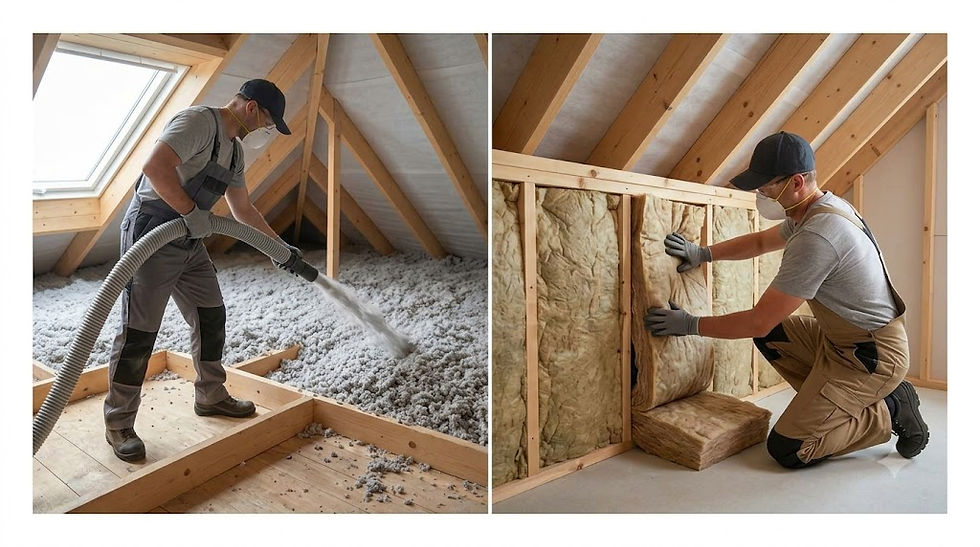
Knowing what types of insulation the contractor works with is critical. An experienced professional often handles multiple insulation types: fiberglass batts, blown-in cellulose, spray foam insulation (open‐cell and closed-cell), rigid foam boards, mineral wool, etc. The correct material choice depends on location (attic, walls, crawl space), climate, moisture control, budget, and energy efficiency goals.
For commercial buildings, there may be higher demands for fire resistance, sound attenuation, and structural support; in residential settings, priorities often include comfort, cost, and energy savings. The contractor should be able to explain R-values per material, how they correspond to Maryland code, and how installation method affects performance.
3. Understanding the Scope: Residential vs Commercial Insulation Contractor
There is a difference between hiring a contractor who specializes in residential insulation versus one who handles large commercial insulation contractor projects. Commercial projects often involve larger scale, stricter regulatory requirements (fire codes, noise, HVAC integration), and sometimes different insulation materials (e.g. higher-density mineral wool or rigid foam) compared to typical home insulation jobs.
A residential insulation contractor might work mostly on attics, crawlspaces, walls, and basements of single-family homes or townhouses, often using fiberglass or cellulose. A commercial insulation contractor might handle warehouses, office buildings, hospitals, or multi-unit complexes, where durability, soundproofing, energy code compliance, and long-term warranties matter more. Before hiring, one should verify the type of portfolio the insulation contractor has and whether they have completed projects similar in type and scale to one’s own.
4. Written Estimate, Clear Contract & Warranty
When considering an insulation contractor, obtain a written estimate rather than relying on verbal offers. The estimate should break down materials, labor, installation method, removal of old insulation if needed, and any additional tasks (air sealing, vapor barriers, mold remediation). Transparent pricing helps avoid surprises later.
A proper contract should also specify:
Start and finish dates
Scope of work
Material types and R-values
Cleanup and disposal procedures
Payment schedule
Warranty terms (for materials and workmanship)
Warranties reinforce accountability. It matters whether the insulation contractor backs up its work with guarantees or warranties, both for installation mistakes and for the performance of materials over time.
5. Local References, Reputation, and Past Projects
Checking references and seeing examples of past projects is one of the strongest measures of reliability. An insulation contractor in Maryland should provide local references, and ideally project pictures. Customer reviews, ratings on local directories, or listings (e.g. Thumbtack, Yelp) are useful. For a particular project—residential or commercial—seeing similar case studies helps assess capability and quality.
Asking for referrals from neighbors or local home builders’ associations can also yield reliable leads. It’s helpful when the insulation contractor has good standing in the community and a track record of complying with local building codes and permitting requirements.
6. Communication, Timelines, and Job Management
Good communication is essential. The insulation contractor should respond clearly, provide realistic timelines, and keep the client updated throughout the project. Before work begins, ask: When will materials be delivered? When will crew begin? How long will the job take?
Delays often happen due to unforeseen structural issues, moisture problems, or discovering insulation gaps during inspection. A contractor who anticipates these and builds in buffer time demonstrates professionalism. Managing site clean-up, worker behavior, safety practices, and clear access are also important for minimizing disruption.
7. Cost vs Value: Not Just Lowest Bid
While cost matters, the lowest bid is not always the best choice. Insulation contractor pricing can vary due to material types, labor quality, R-values, and extra tasks like sealing air leaks or removing mold or old insulation. Higher-quality materials or advanced insulation methods (e.g. closed-cell spray foam) often cost more but deliver better long-term energy savings, moisture control, and durability.
A cost-comparison table can help people see trade-offs:
Factor | Lower-Cost Option | Higher-Value Option |
Material | Basic fiberglass batts | Closed-cell spray foam or rigid foam boards |
R-Value per inch | Moderate | High |
Durability / Moisture Resistance | Less resistant | Better performance in humid or exposed areas |
Installation Thoroughness | Basic fill, possible gaps | Air sealing, full coverage, precise fit |
Warranty & Guarantees | Short or material only | Longer, includes workmanship |
For many Maryland homes, investing more upfront often pays off via lower heating/cooling bills, improved comfort, and better home longevity.
Additional Considerations
Beyond the above seven, there are related issues to check implicitly:
Whether the insulation contractor offers home energy audit or thermal imaging to reveal hidden leaks.
Whether indoor air quality, mold mitigation, and moisture control are addressed.
Whether they meet Maryland’s code for vapor retarders, and understand local climate – hot, humid summers and cold winters.
Safety practices: personal protective equipment for workers, proper ventilation when using spray foam, minimizing exposure to chemicals or particulate matter.
Frequently Asked Questions (FAQs)
Here are five FAQs related to hiring an insulation contractor, drawn from “People Also Ask”-type queries, with answers.
What is an insulation contractor responsible for?
An insulation contractor assesses the insulation needs of a building, recommends suitable insulation materials, handles installation (or removal and replacement), ensures code compliance (R-value, moisture, fire), performs air sealing or vapor barriers, and often provides warranty or guarantees for their workmanship.
How do I know if I need residential insulation or commercial insulation contractor services?
If the project is for a single-family home, townhouse, or similar, likely residential insulation is sufficient. Commercialistion involves larger buildings (office, retail, warehouses), stricter regulatory standards (fire safety, sound control), larger scale material handling, and different codes. Asking the insulation contractor about experience on similar kinds of projects helps clarify.
How long does insulation installation typically take?
Depending on the size and type of work, simple attic insulation might take a day or less, whereas commercial insulation projects or ones involving removal of old insulation, air sealing, moisture issues, or spray foam might take multiple days or weeks. Clear timeline expectation should be part of the contract.
What types of insulation materials are best for Maryland climate?
Maryland’s climate—hot, humid summers and cold winters—means insulation must handle both thermal performance and moisture control. Materials such as closed-cell spray foam, rigid foam boards, mineral wool, or properly installed fiberglass with vapor barriers tend to perform well. Always verify R-values and ventilation needs with the insulation contractor.
How much does hiring an insulation contractor cost in Maryland?
Cost depends heavily on scope: size of area, type of insulation material, whether removal of old insulation is required, whether air sealing or moisture mitigation is needed, labor rates, permits. Residential projects for homes are less expensive than large commercial insulation contractor jobs. Though initial cost may seem high, long-term energy savings often compensate. Getting multiple quotes is recommended.
What steps should someone take when ready to hire?
When someone has considered the above, next steps often look like this: compile a shortlist of three or more insulation contractors; request written estimates and check that they include everything discussed; ask for proof of licensing, insurance, certifications; ask to see samples or tour past projects; clarify timeline, payment schedule, warranties.
Also, one should check local references, verify contractor reviews online, check whether contractors pull necessary permits, and understand post-installation inspection if required.
Conclusion
Hiring the right insulation contractor in Maryland is not just about saving money—it is about ensuring comfort, safety, efficiency, and long-term value in both homes and commercial buildings. From ensuring licensing and insurance to understanding HVAC and moisture considerations, material choices, and managing costs wisely, every factor plays into the outcome.
Those who take time to vet contractors, understand reading of estimates, and prioritize quality over lowest bid will benefit most in the long run. When someone wants reliable, professional service in residential insulation or large scale commercial insulation, EET Insulation provides these services with full licensing, expert materials, transparent contracts, and strong warranties.


Comments