Pros & Cons Of Attic Insulations

Attic insulation plays a vital role in maintaining a home's energy efficiency, comfort, and structural integrity. Proper attic insulation prevents heat loss during the winter and reduces heat infiltration in the summer, resulting in lower energy bills and consistent indoor temperatures. Homeowners can rely on a professional attic insulation contractor or an experienced attic insulation company to assess current conditions and recommend solutions tailored to their home. Understanding the pros and cons of attic insulation helps homeowners make informed decisions about material selection, installation, and long-term maintenance.
Investing in proper insulation ensures that insulation in attic spaces is installed correctly, avoiding potential issues such as moisture accumulation, air leaks, or inefficient thermal performance. Professional contractors can also provide guidance on selecting the most effective materials based on the home's structure, climate, and energy goals.
How Does Attic Insulation Benefit Homeowners?
Attic insulation offers numerous advantages that enhance comfort, energy efficiency, and overall home value. One of the primary benefits is a reduction in heating and cooling costs. By minimizing energy loss through the roof, insulation keeps the home at a more consistent temperature, reducing the workload on HVAC systems. Additionally, insulation acts as a sound barrier, improving indoor acoustics by limiting noise from outside or between floors.
For homeowners evaluating current attic conditions, Does My Attic Have Enough Insulation? provides clear guidance on whether additional insulation is necessary to optimize performance and energy savings. Identifying deficiencies early allows for timely upgrades that maximize benefits.
Energy Efficiency and Environmental Benefits
Proper attic insulation significantly reduces energy consumption, lowering both utility bills and the home’s carbon footprint. Insulation materials such as spray foam or blown-in cellulose not only provide thermal resistance but also help prevent moisture damage and mold growth, extending the home’s structural longevity. Homeowners can learn more about material options in Types Of Attic Insulation Materials to ensure they choose products that balance performance, cost, and environmental considerations.
Comfort and Temperature Regulation
A well-insulated attic ensures that temperatures remain uniform throughout the home. In winter, insulation prevents heat from escaping, while in summer, it reduces unwanted heat gain. This creates a more comfortable living environment and lessens the strain on heating and cooling systems. For planning upgrades that optimize comfort without overspending, What is the Costs of Attic Insulation in Maryland? offers insights into pricing, material choices, and installation considerations.
Potential Drawbacks of Attic Insulation
While attic insulation delivers significant benefits, there are potential disadvantages to consider. Poor installation or improper material selection can lead to energy inefficiency, moisture problems, or reduced indoor air quality. Certain insulation types, like spray foam, involve higher upfront costs and may require professional installation to ensure safety and performance. Additionally, some materials can settle over time, which reduces their effectiveness and may necessitate future upgrades.
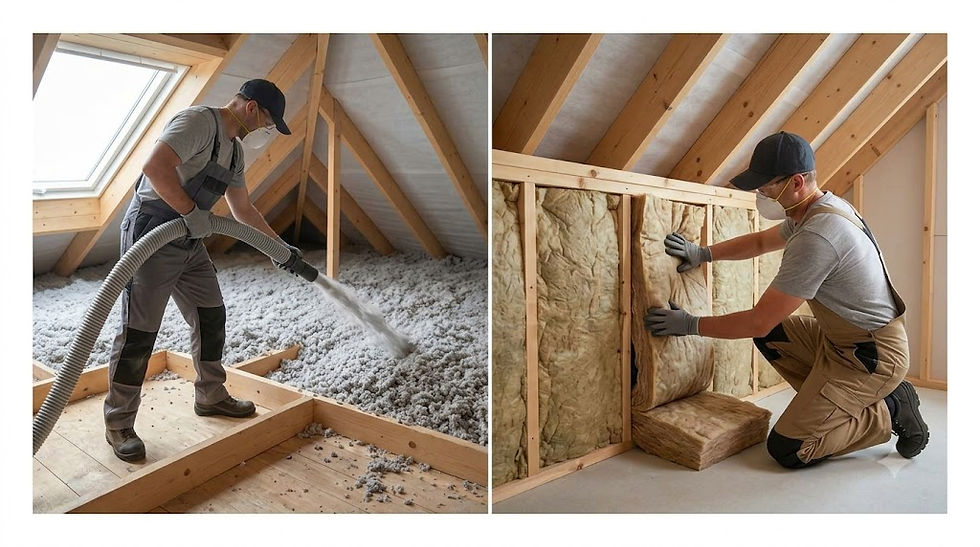
Homeowners comparing materials and installation methods can consult Blown-in Insulation vs. Batt Insulation: Pros and Cons to understand the practical differences between common insulation types, including coverage, durability, and ease of installation.
Installation Challenges and Cost Considerations
Installing attic insulation often requires navigating tight spaces, removing old or damaged insulation, and ensuring proper air sealing. Installation costs can vary depending on the material chosen and the attic’s size. For homeowners planning insulation projects, How Much Attic Insulation Do I Need? provides detailed guidance on calculating the right amount, ensuring optimal thermal performance without overspending.
Material Type | Average R-Value per Inch | Pros | Cons |
Fiberglass Batt | 2.9–3.8 | Affordable, easy to install | Must be installed correctly |
Blown-in Cellulose | 3.2–3.8 | Fills gaps, eco-friendly | Settles over time |
Spray Foam | 6.0–7.0 | High R-value, air sealing | Expensive, requires professional installation |
Mineral Wool | 3.0–3.3 | Fire-resistant, soundproof | Higher cost than fiberglass |
Long-Term Performance and Maintenance
Attic insulation requires ongoing monitoring to maintain its effectiveness. Settling, moisture accumulation, or pest intrusion can compromise performance over time. Regular inspections by a certified attic insulation contractor can identify issues early, ensuring insulation continues to provide energy savings, comfort, and structural protection.
Conclusion
Evaluating the pros and cons of attic insulation is essential for homeowners seeking energy efficiency, comfort, and long-term home protection. While insulation in attic spaces reduces energy bills, regulates temperature, and provides noise reduction, careful material selection and professional installation are critical to avoid potential drawbacks. For expert assessment, installation, and maintenance of attic insulation, homeowners can rely on EET Insulation, your trusted insulation contractor in Frederick, MD, for reliable and comprehensive attic insulation services.
FAQs
What are the main benefits of attic insulation?
Attic insulation reduces energy bills, improves indoor comfort, provides soundproofing, and helps prevent moisture-related issues.
What are the potential drawbacks of attic insulation?
Drawbacks include upfront costs, installation challenges, and potential settling of materials over time.
How do I know which insulation type is right for my attic?
Consider attic layout, climate, budget, and insulation performance. Consulting a professional ensures the best results.
Do I need to remove old insulation before adding new insulation?
Removal is recommended if existing insulation is damaged, compressed, or contaminated.
Can attic insulation improve indoor air quality?
Yes, properly installed insulation can help prevent drafts, moisture, and mold, contributing to healthier indoor air.


Comments