Types Of Attic Insulation Materials

Attic insulation is a critical component in maintaining energy efficiency, comfort, and structural integrity in homes. Selecting the right attic insulation ensures consistent indoor temperatures, lower heating and cooling costs, and protection from moisture-related damage. Professional evaluation by an attic insulation contractor can help homeowners determine which insulation in attic spaces will deliver optimal performance and long-term value. Proper installation and material choice are essential for effective attic insulation.
Homeowners often consult certified attic insulation companies to evaluate current attic conditions and recommend solutions tailored to their home’s needs. Experts assess insulation type, thickness, and R-value to ensure energy efficiency standards are met while preventing unnecessary energy loss.
How Do Different Types of Attic Insulation Compare?
Choosing the right type of attic insulation is vital for maximizing energy savings and comfort. Common materials include fiberglass batt insulation, blown-in cellulose, spray foam, and mineral wool. Each type has unique properties regarding thermal resistance, moisture control, and installation complexity. A thorough understanding of these materials helps homeowners make informed decisions about upgrades or replacements.
Homeowners unsure about current insulation levels can consult Does My Attic Have Enough Insulation? to evaluate whether improvements are necessary. Determining existing insulation conditions is the first step in planning a cost-effective and energy-efficient solution.
Fiberglass Batt Insulation
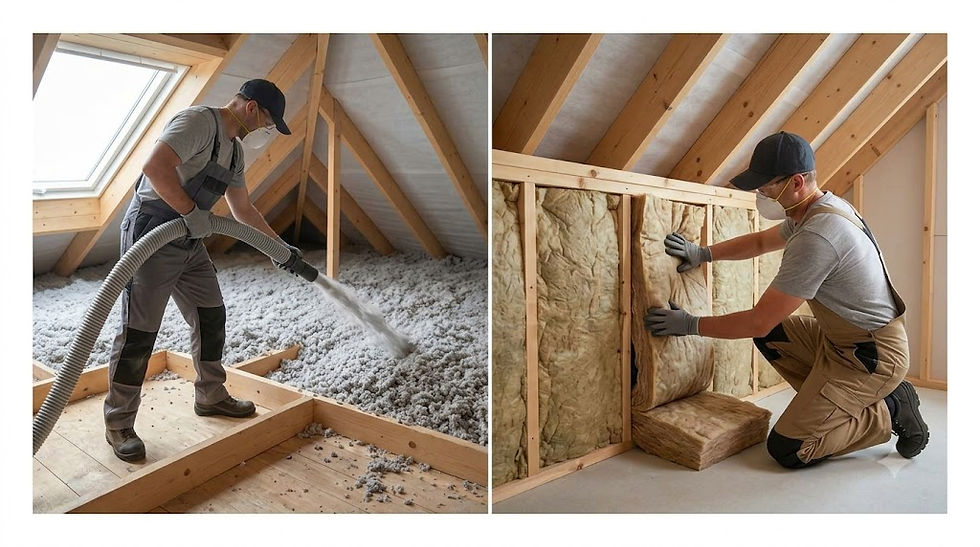
Fiberglass batt insulation is one of the most widely used options in residential attics. It consists of pre-cut panels that fit between standard joists and is relatively easy to install. Fiberglass provides reliable thermal performance at an affordable price but requires careful installation to avoid gaps that could reduce effectiveness.
Homeowners can refer to Pros & Cons Of Attic Insulations to weigh the advantages of fiberglass batts against other materials in terms of cost, ease of installation, and performance longevity.
Blown-In Cellulose Insulation
Blown-in cellulose insulation is made from recycled paper treated with fire retardants. It is applied using specialized blowers, allowing it to fill irregular attic spaces and gaps effectively. This insulation type is eco-friendly and offers excellent thermal resistance.
For a detailed comparison of installation methods, Blown-in Insulation vs. Batt Insulation: Pros and Cons explains the performance differences and suitability of cellulose versus batt insulation in varying attic layouts.
Spray Foam Insulation
Spray foam insulation is a high-performance material that expands to fill cracks, gaps, and cavities in attic spaces. It provides a high R-value per inch and acts as both insulation and an air barrier. Spray foam is ideal for homeowners seeking superior energy efficiency, though professional installation is required, and upfront costs are higher.
Consulting What is the Costs of Attic Insulation in Maryland? helps homeowners evaluate the financial investment of spray foam compared to other materials while considering long-term energy savings.
Mineral Wool Insulation
Mineral wool insulation, also called rock wool, is composed of natural rock or slag materials. It provides excellent fire resistance, soundproofing, and moisture control. Its density ensures consistent thermal performance, though costs are higher than fiberglass batts. Mineral wool is particularly useful for homeowners prioritizing fire safety and acoustic comfort.
Evaluating How Much Attic Insulation Do I Need? ensures homeowners select the proper thickness and R-value regardless of material choice, optimizing energy efficiency and performance.
Insulation Material | R-Value per Inch | Pros | Cons |
Fiberglass Batt | 2.9–3.8 | Affordable, easy to install | Must be installed correctly |
Blown-in Cellulose | 3.2–3.8 | Fills gaps, eco-friendly | Settles over time |
Spray Foam | 6.0–7.0 | High R-value, seals air leaks | Expensive, requires professional installation |
Mineral Wool | 3.0–3.3 | Fire-resistant, soundproof | Higher cost than fiberglass |
Installation Considerations for Attic Insulation
Proper installation is key to maximizing the benefits of attic insulation. Gaps, compression, or uneven coverage can significantly reduce energy efficiency and comfort. Hiring a professional attic insulation contractor ensures materials are installed to meet industry standards, safety guidelines, and recommended R-values. Regular inspections can prevent settling, moisture accumulation, or pest intrusion from compromising performance.
Long-Term Benefits and Energy Efficiency
Investing in quality attic insulation leads to long-term savings by reducing heating and cooling expenses. Proper insulation enhances comfort by maintaining consistent temperatures and minimizing drafts. Additionally, well-installed insulation improves indoor air quality and contributes to the durability of the home’s roof and structure. Homeowners gain both immediate and long-term benefits when they select the appropriate material and ensure professional installation.
Insulation Material | Average Installation Cost | Estimated Annual Energy Savings |
Fiberglass Batt | $0.40–$1.50 per sq ft | $200–$400 |
Blown-in Cellulose | $1.00–$2.50 per sq ft | $250–$450 |
Spray Foam | $1.50–$3.50 per sq ft | $400–$600 |
Mineral Wool | $1.50–$3.00 per sq ft | $300–$500 |
Conclusion
Understanding the different types of attic insulation is crucial for homeowners seeking energy efficiency, comfort, and long-term home protection. From fiberglass batt to spray foam and mineral wool, each material has specific advantages and installation requirements. Consulting with a certified insulation contractor in Frederick, MD ensures optimal performance and energy savings. Homeowners can rely on EET Insulation for expert attic insulation services, professional installation, and guidance on selecting the most suitable materials for their home.
FAQs
What are the most common types of attic insulation?
Fiberglass batts, blown-in cellulose, spray foam, and mineral wool are the most widely used options.
How do I know which insulation is right for my attic?
Consider your attic layout, climate, budget, and R-value requirements; a professional assessment is recommended.
Can I install attic insulation myself?
Some materials, like fiberglass batts, can be DIY-installed, but spray foam and dense-packed cellulose require professional expertise.
How long does attic insulation last?
Lifespan varies: fiberglass and cellulose last 20–30 years, while spray foam can last longer with proper maintenance.
Does insulation in attic really save energy?
Yes, effective attic insulation reduces heat transfer, lowering energy bills and improving indoor comfort.


Comments