How Can Someone Find a Reliable Insulation Contractor in Maryland?

Choosing the right insulation contractor Maryland residents can trust is vital for ensuring energy efficiency, comfort, and long-term value in both homes and commercial buildings. An insulation contractor Maryland locals hires should bring knowledge of different insulation materials, proper licensing, and awareness of local climate demands. The focus keyword insulation contractor Maryland appears here to underscore how specific the search is for people in that state; it signals the importance of local codes, material types, and performance expectations for both residential insulation and commercial insulation contractor services.
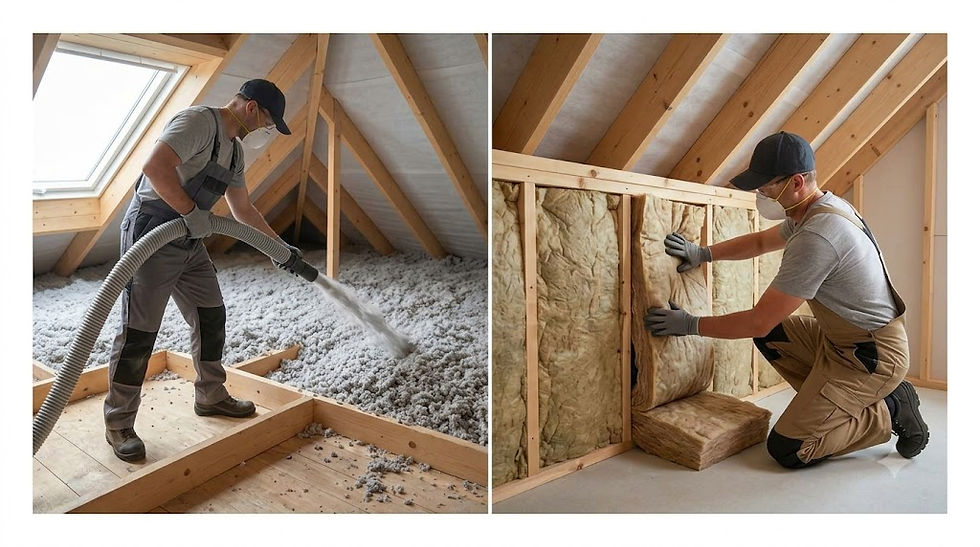
Many homeowners wonder what an insulation contractor is exactly. An insulation contractor is a professional or company specializing in selecting, installing, removing, and sometimes replacing insulation materials (such as fiberglass, spray foam, cellulose, mineral wool, rigid board, etc.) to create thermal barriers and reduce heat transfer. They also ensure air sealing, control moisture, improve indoor air quality, and adhere to building safety and energy efficiency codes.
In Maryland, where winters can be cold and summers humid, the insulation contractor needs to work with materials rated for proper R-values, ventilation, moisture control, and under the oversight of relevant licenses and building inspection norms. The article below guides any homeowner or business owner through the process of hiring the right insulation contractor Maryland offers, comparing companies, costs, and what questions to ask.
What Should One Look for When Hiring an Insulation Contractor Maryland Locals Can Rely On?
When hiring an insulation contractor Maryland property owners often ask what credentials, reviews, and types of experience matter. Key considerations include:
Licensing & Insurance: The contractor should hold state or local licenses to perform insulation work and be insured. This ensures liability is covered, especially for commercial projects.
Types and Quality of Materials: Different insulation types (fiberglass batts, rigid board, spray foam, blown-in cellulose, mineral wool) perform differently depending on location (attic, walls, basement, crawl space). A well-versed contractor will know which materials suit Maryland’s climate, humidity, and building codes.
Proper R-value Knowledge: R-value (resistance to heat flow) is crucial. For example, in attics, an R-38 or higher may be recommended in many parts of Maryland, especially uninsulated attics. Contractors must understand what R-value is required locally.
Experience with Residential and Commercial Projects: Residential insulation for homes needs different treatments compared to larger commercial buildings (e.g. large warehouses, multifamily buildings). A competent contractor should have handled both or at least be clear about their strengths.
Reputation & References: Checking past clients, reviews, and examples of completed jobs helps to see workmanship, professionalism, timeliness, and clean-up practices.
Energy Audits & Air Sealing Skills: Effective insulation contractors will assess whole-structure performance: where air leaks, moisture, or poor ventilation may reduce insulation effectiveness. Many contractors in Maryland offer home energy audits, blower door testing, thermal imaging.
What Costs Are Involved When Working With an Insulation Contractor in Maryland?
Understanding the cost helps avoid surprises. The “insulation contractor cost” depends on multiple factors:
Key Cost Drivers in Insulation Projects in Maryland
Factor | How It Influences Cost |
Project size & area (attic, walls, basement, crawl space) | Larger square footage = more material & labor; tight spaces increase labor difficulty. |
Material type (fiberglass, spray foam, cellulose, rigid board, mineral wool) | Some materials cost more (spray foam, rigid board) but offer higher R-values and possibly energy savings. |
Location & accessibility of installation | Hard-to-reach areas (between rafters, crawlspaces, wall cavities) raise labor cost. |
Removal of existing insulation or corrections | If old insulation is damaged, moldy, or wet, removal adds extra cost; air sealing or moisture control needed. |
Building codes, permits & licensing | Local permit fees, contractor licensing, inspections – compliance adds cost but ensures quality. |
In Maryland, typical residential insulation jobs might cost anywhere from a few hundred to several thousand dollars depending on scope. For example, adding attic insulation in a moderately sized home, or replacing poor insulation, will generally be more affordable than a full retrofit with high-R foam in a commercial building. Also, things like energy efficiency rebates, incentive programs (like Home Performance with ENERGY STAR®) may help offset some of the cost.
How Does Residential vs Commercial Insulation Contractor Services Differ in Maryland?
Maryland clients needing insulation need to distinguish between residential insulation and commercial insulation contractor offerings. Residential jobs (homes, apartments) often emphasize:
Comfort, lower heating and cooling bills, air quality, quietness.
Smaller scale, variable accessibility (attics, garages, crawl spaces, basements).
Preference for energy rebates, local contractors, materials with lower upfront cost but good long-term R-value.
Commercial insulation contractor projects (offices, retail, large new construction, multifamily, industrial) tend to be more complex:
They must comply with building codes for fire safety, thermal resistance, vapor barriers, structural compatibility.
Larger and higher R-values, sometimes specialized materials (rigid board, mineral wool, spray foam) to meet performance.
Require stronger project management: scheduling, labor force, coordination with HVAC, roofing, moisture control, and often air sealing and energy audits.
Summit Insulation, a Maryland company with decades of experience, demonstrates this differentiation: they serve both homeowners and business owners and emphasize that their crews are certified and trained for both residential and commercial work.
How to Choose the Best Insulation Contractor Maryland Offers
Here is a practical sequence for Maryland homeowners or business owners to follow when selecting an insulation contractor Maryland based services:
Define the scope of the project: Is this a retrofit (re-insulation, removal), new construction, attic only, basement, or full envelope upgrade? Identify whether it's residential insulation or commercial insulation contractor work.
Gather multiple bids: Reach out to at least 3 contractors with local experience. Compare not just price, but what materials they propose, estimated R-values, labor timelines, removal of existing insulation, warranties, and what is included (air sealing, permitting, cleanup).
Check credentials: Verify that the contractor is licensed in Maryland (or the specific county), insured (liability, worker’s compensation), and has good reviews. Ask about certifications (ENERGY STAR®, local utility incentives).
Ask questions about materials and methods: Which insulation types do they suggest and why? How do they handle moisture, ventilation, vapor barriers? Do they perform air sealing along with insulation?
Inspect past work and references: A contractor should be able to show photos or completed jobs. Ask for references especially for similar type of project (residential vs commercial).
Understand cost vs savings: Higher initial cost may yield better long-term savings via lower energy bills, rebates, tax credits. Consider lifetime cost, not just upfront.
Written Contract: Ensure you receive a clear written proposal that lists materials, removal, R-value, clean-up, timeline & payment terms.
Timing and Climate Considerations in Maryland
Maryland has four distinct seasons. Temperature extremes and humidity both affect how insulation performs.
Early fall or late spring often are ideal times for installation: milder weather helps installers and materials settle properly. In summer, humidity can lead to moisture trapping; in winter, cold may affect spray foams’ curing or adhesives.
Also, moisture control in basements, crawl spaces, attics (especially around roof and eaves) is key; the insulation contractor must plan for vapor barriers, ventilation, sealing gaps, and dealing with ice dams or mold risk. If moisture is ignored, even high-R insulation can perform poorly.
Types of Insulation Materials & Their Pros/Cons
Maryland contractors will often offer a range of insulation materials. It’s helpful to know what each type does well, so clients can make informed choices.
Common Insulation Types & Their Suitability
Insulation Type | Advantages | Considerations / Drawbacks |
Fiberglass batts | Lower cost, easy to install in standard wall/ceiling cavities; non-combustible | Gaps or compression reduce effectiveness; moisture can degrade; needs proper installation. |
Blown-in cellulose | Good for retrofits; fills odd spaces; decent R-value; somewhat eco-friendly | Settling over time; moisture can cause problems; requires skilled installers. |
Spray foam (open/closed cell) | Excellent air sealing; high R-value per inch; good moisture control | Costlier; may require specialized equipment; potential for off-gassing if wrong application. |
Mineral wool / Rock wool | Fire resistant; good acoustic insulation; does not rot; more durable against moisture | Usually more expensive; heavier; installation in certain cavity types may be harder. |
Rigid board / foam board | Great for exterior walls, basements; good moisture resistance; high R-value | Can be more expensive; seams must be sealed well; may need additional finishing. |
Frequently Asked Question
Here are five frequently asked questions people often raise when considering hiring insulation contractor Maryland services, drawn from People Also Ask sections typical in local SERPs, and responses based on best practices in the region.
How much does hiring an insulation contractor cost in Maryland?
Cost depends on material, size, removal of old insulation, and job type (residential vs commercial). For example, adding attic insulation may cost several hundred to a few thousand dollars; more complex jobs (e.g., spray foam in walls or full building commercial insulation) will cost more but yield greater savings. Incentives and rebates may reduce net cost.
What is the lifespan of insulation and when should it be replaced?
Insulation materials each have a useful life. Fiberglass and cellulose can degrade after 10-15 years, especially if exposed to moisture. Proper maintenance, keeping insulation dry, and regular inspections help. If there’s mold, rodent infestation, or significant settling, replacement is often needed.
Does an insulation contractor require licensing in Maryland?
Yes. Contractors must abide by Maryland building codes and local county regulations. Licensing, insurance, and sometimes certification (ENERGY STAR, Home Performance) are important to ensure safety, quality, and eligibility for rebates or tax incentives.
How is R-value determined and what should it be in Maryland homes?
R-value reflects resistance to heat flow. The required R-value depends on climate zone, part of the structure (wall, attic, basement), and whether you’re insulating new construction or retrofitting. For example, Maryland attics often require R-38 or more; walls may require lower. The contractor should know local code and energy conservation suggestions.
Can insulation work also reduce energy bills significantly?
Yes. Proper insulation combined with air sealing and moisture control can reduce heating and cooling costs significantly. Many Maryland homeowners report noticeable reductions in utility bills once insulation is upgraded. High-performance insulation types (spray foam, mineral wool), when correctly installed, help more.
What Makes the Right Insulation Contractor Maryland Clients Should Hire
To conclude, the right insulation contractor Maryland residents and businesses choose will be one that combines strong credentials, local knowledge, proper material use, and transparent pricing. The contractor should offer both residential and commercial insulation services if needed, explain what exactly they do (for example, insulation removal or retrofit), make clear how they arrive at costs for materials, labor, licensing and permitting, and be able to demonstrate past work and satisfied clients.
If someone wants to understand What does insulation contractor do in more detail—beyond just insulation installation—they should check how the contractor handles inspections, air sealing, moisture control, R-value choices, removal of old materials, safety, and overall energy performance.
Also, reading up on the benefits of hiring insulation contractor can make the choice easier: improved comfort, lower energy bills, better indoor air quality, potential rebates, and longer lifespan of heating/cooling systems.
Lastly, for anyone trying to budget, there are helpful guides on How Much Does Insulation Cost in Maryland? that lay out typical ranges for various types of projects.
When all these factors line up—material, reputation, cost, and the contractor’s ability to deliver both residential insulation and commercial insulation contractor work—the homeowner or business is more likely to get an installation that brings lasting performance and value.
EET Insulation provides expert services in Maryland for both homes and commercial buildings. With proper licensing, experienced staff, quality materials, and transparent pricing, EET Insulation is ready to help those seeking a trusted insulation contractor Maryland can depend on.


Comments